

For most minor ailment consultations, you can walk in during pharmacy opening hours without booking. If you prefer, you can also call us ahead or book online for a convenient time.
Our pharmacist will ask about your symptoms, how long they have been present and any medicines you currently take. Most consultations take 5 to 15 minutes, are confidential, and can be held in a private room if needed.
You will receive clear advice on the best next steps. This may include suitable treatment, self-care guidance, reassurance, or referral to the right healthcare service when needed. We will always explain your options clearly.
Most colds and flu clear up within one to two weeks. Our pharmacist can recommend the right over-the-counter medicines and self-care advice for runny nose, congestion, cough, fever, and aches. Sore throat (age 5+) and sinusitis (age 12+) are both covered by the NHS Pharmacy First service. Where clinically appropriate, a prescription antibiotic can be supplied directly.
Our pharmacist can assess and advise on a wide range of skin conditions. Eczema, athlete’s foot, cold sores, mild acne, contact dermatitis, and nappy rash can all be managed with the right over-the-counter treatment. Impetigo is covered by NHS Pharmacy First for patients aged 1 and over, the pharmacist will examine the affected area and supply a prescription antibiotic cream or oral antibiotic where appropriate. Under the BNSSG community pharmacy PGD, hydrocortisone can be supplied for children aged 1 to 10, including facial use, without a GP prescription, subject to pharmacist assessment.
Conjunctivitis, dry eyes, earache, outer ear infections, and blocked ears are all conditions our pharmacist can advise on. Chloramphenicol eye drops are available as a P medicine for patients aged 2 and over. Earache in children aged 1 to 17 is covered by NHS Pharmacy First. For infants aged 31 days to under 2 years, chloramphenicol eye drops can be supplied under the BNSSG PGD. For moderate or severe otitis externa in patients aged 2 and over, our pharmacist can supply prescription ear drops under the BNSSG PGD.
Heartburn, constipation, diarrhoea, haemorrhoids, and thrush can all be assessed and treated with pharmacist advice and the right OTC products. Uncomplicated UTIs in women aged 16 to 64 are covered by the NHS Pharmacy First service. Our pharmacist will assess your symptoms and supply nitrofurantoin where appropriate no GP referral, no urine dipstick test needed. Women with diabetes are excluded from this pathway following the October 2025 update.
Our pharmacist can help with headaches, back pain, joint pain, period pain, toothache, and mild sports injuries. Before recommending pain relief, we will ask about your current medications. Ibuprofen and aspirin are not suitable for everyone, particularly if you are pregnant, on blood thinners, or have kidney problems.
Hay fever, perennial allergic rhinitis, allergic conjunctivitis, and mild allergic skin reactions can all be managed at the pharmacy. Our pharmacist can recommend oral antihistamines, intranasal corticosteroid sprays, and antihistamine eye drops depending on your symptoms and what has worked for you before. Severe allergic reactions are not a pharmacy matter. Throat swelling, difficulty breathing, or collapse after an allergic trigger, call 999 immediately.
Children’s conditions we see regularly include fever, coughs, colds, ear infections, sore throats, impetigo, head lice, nappy rash, and teething. Our pharmacist will advise on correct paracetamol and ibuprofen dosing by age and weight. Ear infections (age 1 to 17), sore throat (age 5+), and impetigo (age 1+) are all covered by NHS Pharmacy First. Under the BNSSG PGDs, our pharmacist can supply hydrocortisone for children aged 1 to 10 and chloramphenicol eye drops for infants aged 31 days to under 2 years, without a GP prescription.
There are three categories of medicine available in the UK. Understanding the difference helps explain why some things are on the shelf, some need a pharmacist conversation, and some need a formal pathway.
GSL medicines are available anywhere pharmacies, supermarkets, petrol stations. No pharmacist supervision is required. They are suitable for self-treatment of minor symptoms.
Examples include low-dose paracetamol (up to 16 tablets), ibuprofen (up to 24 tablets), throat lozenges, antacids, and some antihistamines. Standard pack sizes apply. Larger quantities require pharmacist involvement.
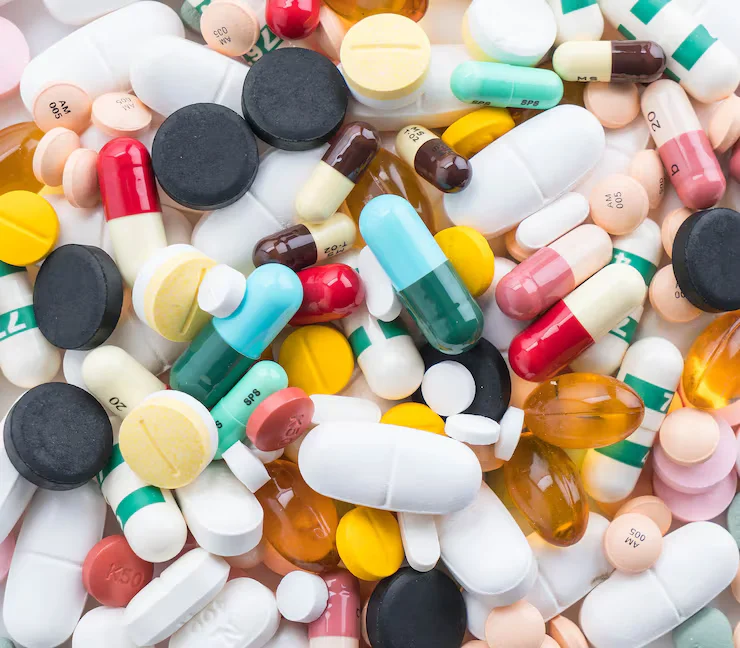
P medicines are only available from a registered pharmacy, where a pharmacist is present. The pharmacist does not need to personally hand you the product, but they must be available to supervise the sale and answer questions.
P medicines include larger quantities of paracetamol and ibuprofen, chloramphenicol eye drops for adults aged 2 and over, hydrocortisone 1% cream, emergency hormonal contraception, some codeine-containing products, and most nasal steroid sprays.
For some P medicines, our pharmacist will ask a few quick questions before supplying. This is normal practice and not bureaucracy, it protects you from taking something that could interact with your other medicines or worsen an existing condition.
Pharmacy First (NHS-funded): The national service, launched January 2024, covers seven specific conditions. Our pharmacist carries out a structured assessment and can supply prescription antibiotics and antivirals where clinically appropriate. No charge to the patient for the consultation. Standard NHS prescription charges apply for the medicine where applicable.
BNSSG Community Pharmacy PGDs: BNSSG ICB has commissioned additional PGD services for North Somerset community pharmacies. These currently cover three specific clinical situations: hydrocortisone for children aged 1 to 10, chloramphenicol for infants aged 31 days to under 2 years, and dexamethasone/neomycin/acetic acid ear spray for otitis externa in patients aged 2 and over. These are supplied by the pharmacist following a clinical assessment under a Patient Group Direction, no GP prescription required.
Independent, GPhC-registered pharmacy in the centre of Yatton. Real people, face-to-face, every day.
Key Features:

Real stories from real patients who trust Yatton Pharmacy & Ear Wax Removal Centre every day.
Great team 👍 I popped in there yesterday for anti histamine tablets and the team very helpful also had a flu jab injection on NHS and very professional medic called ” Femi” was extremely helpful and explained possible side effects of flu jab etc ..a brilliant team at brilliant pharmacy !

“Absolutely outstanding service at Yatton Pharmacy! From the moment I walked in, I was greeted with a warm and friendly atmosphere. The staff is incredibly knowledgeable, especially the pharmacists.”
“Both my mother, myself and my daughter recently relocated to Yatton, and my mother has quite complicated medical issues and medications, and my monthly prescription meds total 10 items.
The pharmacist, Hussein, has been an absolute star through these processes, and as our new nominated pharmacy, has smoothly set up both dosette boxes for my 88 year old diabetic mother, and delivery to her home weekly.!”
“Excellent pharmacy, always have my orders ready on time. Very helpful with minor health issues, so saves trying to see a GP.”
“Excellent pharmacist advice given! Really took the time to help me out and sort a plan of action! Big thanks”
The friendly faces behind Yatton Pharmacy & Ear Wax Removal Centre

Tariq Amin (GPhc: 2051889) serves as the Superintendent Pharmacist and Director/Pharmacist at Yatton Pharmacy. He is responsible for overseeing the safe and effective operation of the pharmacy, ensuring compliance with all regulatory and professional standards.
Hussain Jahangir is an experienced pharmacist who provides a full range of pharmacy services. He helps patients with prescriptions, medication advice, and health support, always focusing on clear and helpful care.
Monday to Friday: 09:00 – 18:00
Saturday: 09:00 – 17:30
Sunday: Closed
No. Walk in as a new patient and our pharmacist will help you. If you are already with us, your medication history is on hand which can be useful. For Pharmacy First consultations, the outcome is recorded and shared with your GP practice where relevant.
Pharmacy First is a specific NHS service covering seven defined conditions. The broader minor ailments service covers everything else, including OTC medicines and local PGD services for conditions outside those seven. Not everything is NHS-funded, but a lot of what we treat at the pharmacy does not need a GP visit.
Come to us first for most everyday symptoms. Go straight to your GP, 111, or A&E for anything severe or worsening fast. Red flags include chest pain, breathing difficulties, sudden severe headache, signs of stroke, blood in urine or stools, unexplained weight loss, or any symptoms in an infant under 3 months. Our pharmacist will always point you in the right direction.
Pharmacy First and BNSSG PGD consultations are NHS-funded and free. For other advice and OTC products, the consultation is free but you pay for any medicines recommended. If you hold a valid NHS exemption or prepayment certificate, this may reduce some costs. Ask our pharmacist if you are unsure.
Yes, for children aged 1 to 17 with acute otitis media. This is covered under NHS Pharmacy First. The pharmacist carries out a structured assessment and, where appropriate, supplies an antibiotic directly. No GP appointment needed. For very young infants or children with recurrent infections, our pharmacist may recommend GP involvement.
We share health tips and travel advice. Stay informed about safety and managing medicine.
Most conditions don’t need an appointment. Walk in, speak to our pharmacist, and get sorted on the same visit. No GP referral, no waiting room, no fuss.
