

Booking ahead is recommended since some tablets need to be started 2 to 3 weeks before departure; visit at least 4 to 6 weeks before travel.
Our pharmacist asks about your destination, itinerary, accommodation, and medical history to determine the right antimalarial; it takes around 10 to 15 minutes.
Maloff Protect is available over the counter after assessment for eligible adults, with written bite prevention advice and guidance on what to do if a fever develops during or after the trip.
Risk depends on destination, time of year, accommodation type, and activities. Rural areas, jungle environments, and locations near standing water carry higher risk than city hotels with air conditioning. Many travellers underestimate their risk or believe that staying in good accommodation is adequate protection. It is not. One infected mosquito bite is enough to transmit malaria.
VFR travellers account for around 74% of UK malaria cases. Partial immunity from childhood exposure in endemic countries wanes after years in the UK. Staying longer and travelling to rural areas increases risk further. In 2023, 2,106 imported malaria cases were diagnosed in the UK, the highest since 2001. Six people died. VFR travellers should be assessed for chemoprophylaxis the same as any other traveller.
Malaria in pregnancy increases the risk of severe illness, miscarriage, stillbirth, and maternal death. Atovaquone/proguanil is generally avoided throughout pregnancy and breastfeeding. In the second or third trimester only, it may be considered if no other options are suitable and after a full risk assessment. Doxycycline is contraindicated in pregnancy. The safest option is to defer travel until after delivery. Children under 12 cannot take doxycycline. Bring children in for a consultation before travel.
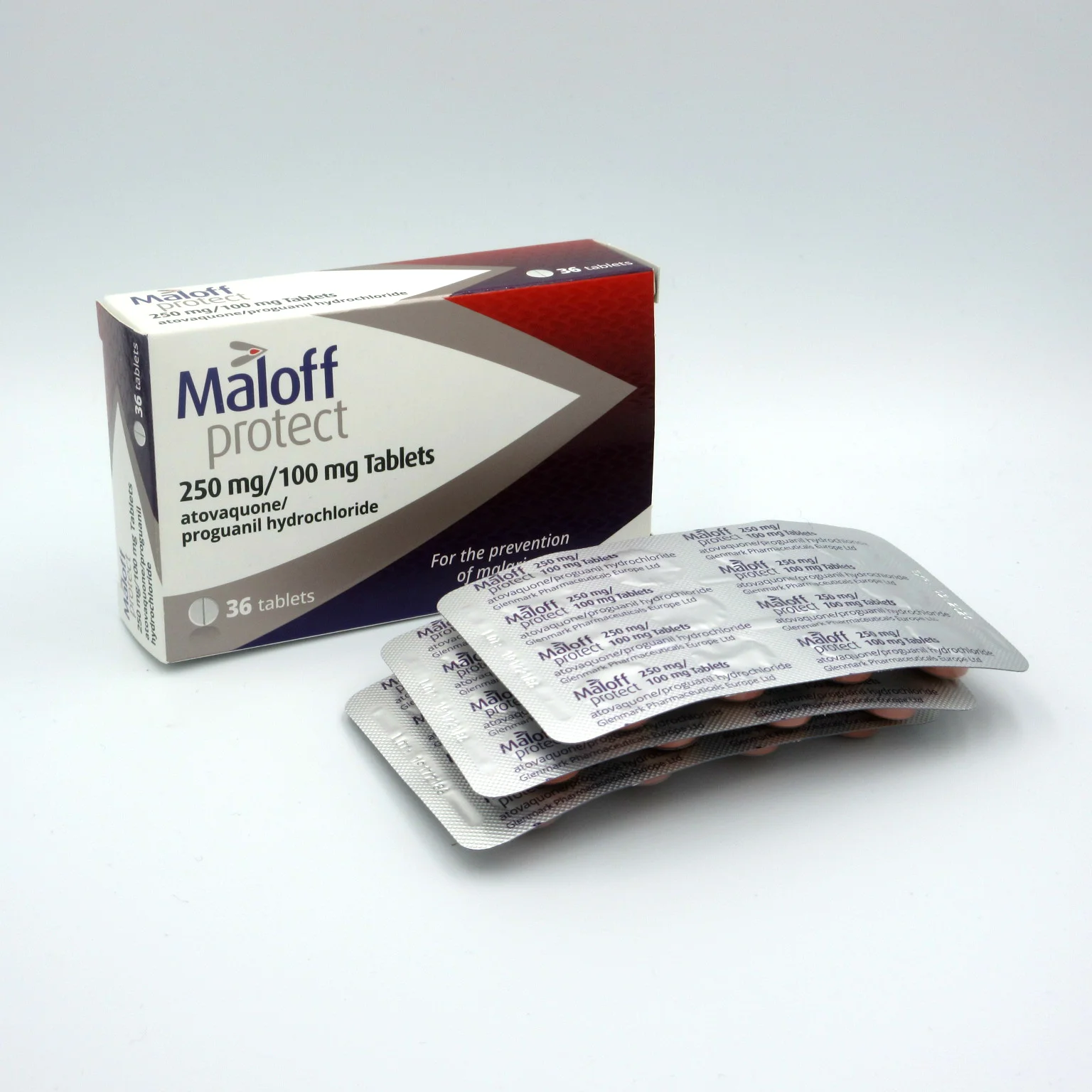
Acts at both the liver and blood stages of the malaria life cycle. Started just 1 to 2 days before travel, making it ideal for last-minute trips. Taken for only 7 days after leaving the endemic area. Maloff Protect is available OTC for adults aged 18 and over weighing at least 40kg, following a brief pharmacist consultation. Prescription-strength atovaquone/proguanil is available for those who do not meet OTC criteria.
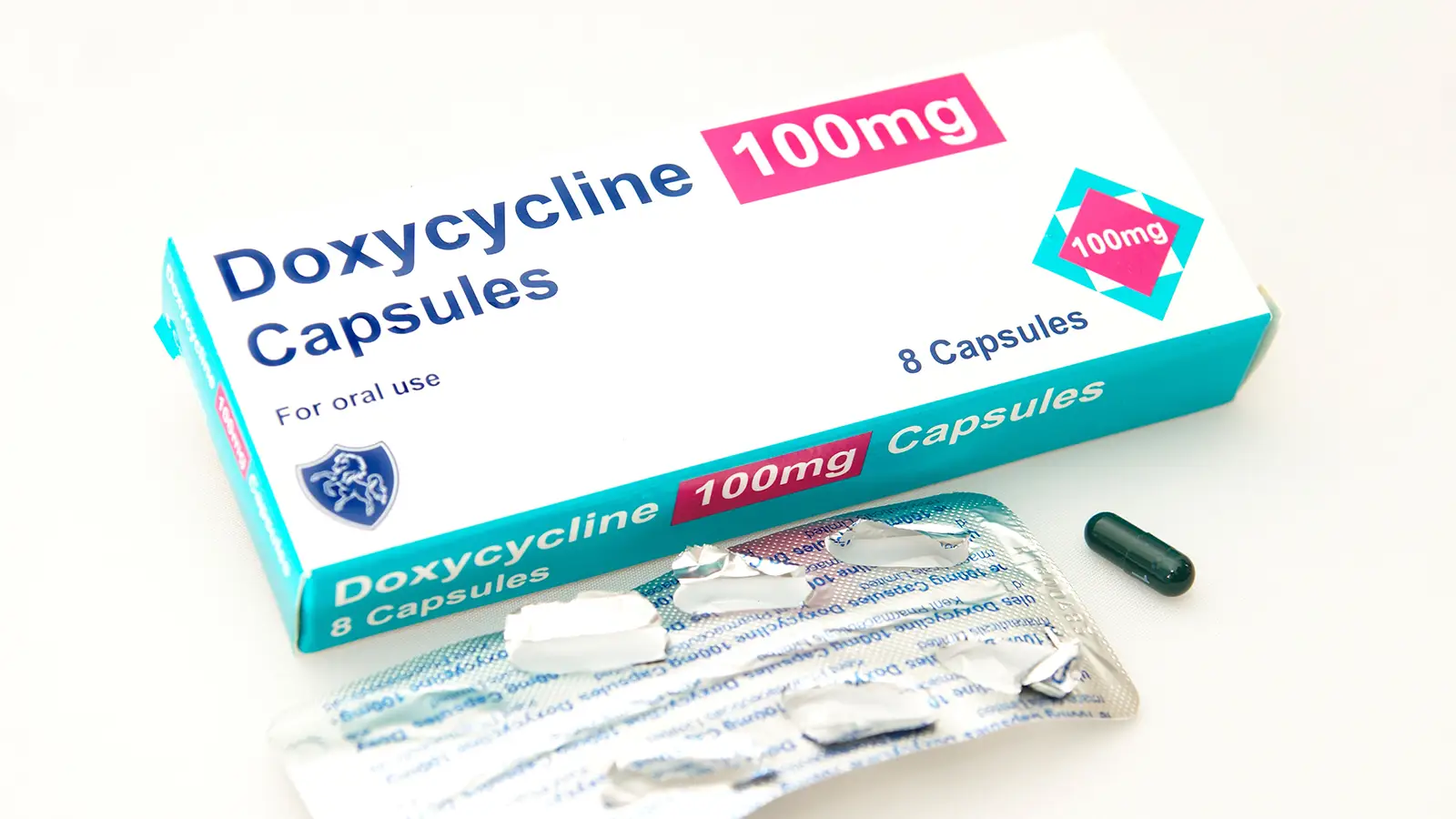
A prescription-only antibiotic effective for most destinations including areas with high chloroquine resistance. Generally the most cost-effective option per tablet. Must be continued for 4 weeks after returning. Not suitable for children under 12 or during pregnancy. Photosensitivity is a common side effect, use high-factor sunscreen. Take with water and stay upright for 30 minutes after each dose. Do not start within 3 days of the last dose of oral typhoid vaccine.
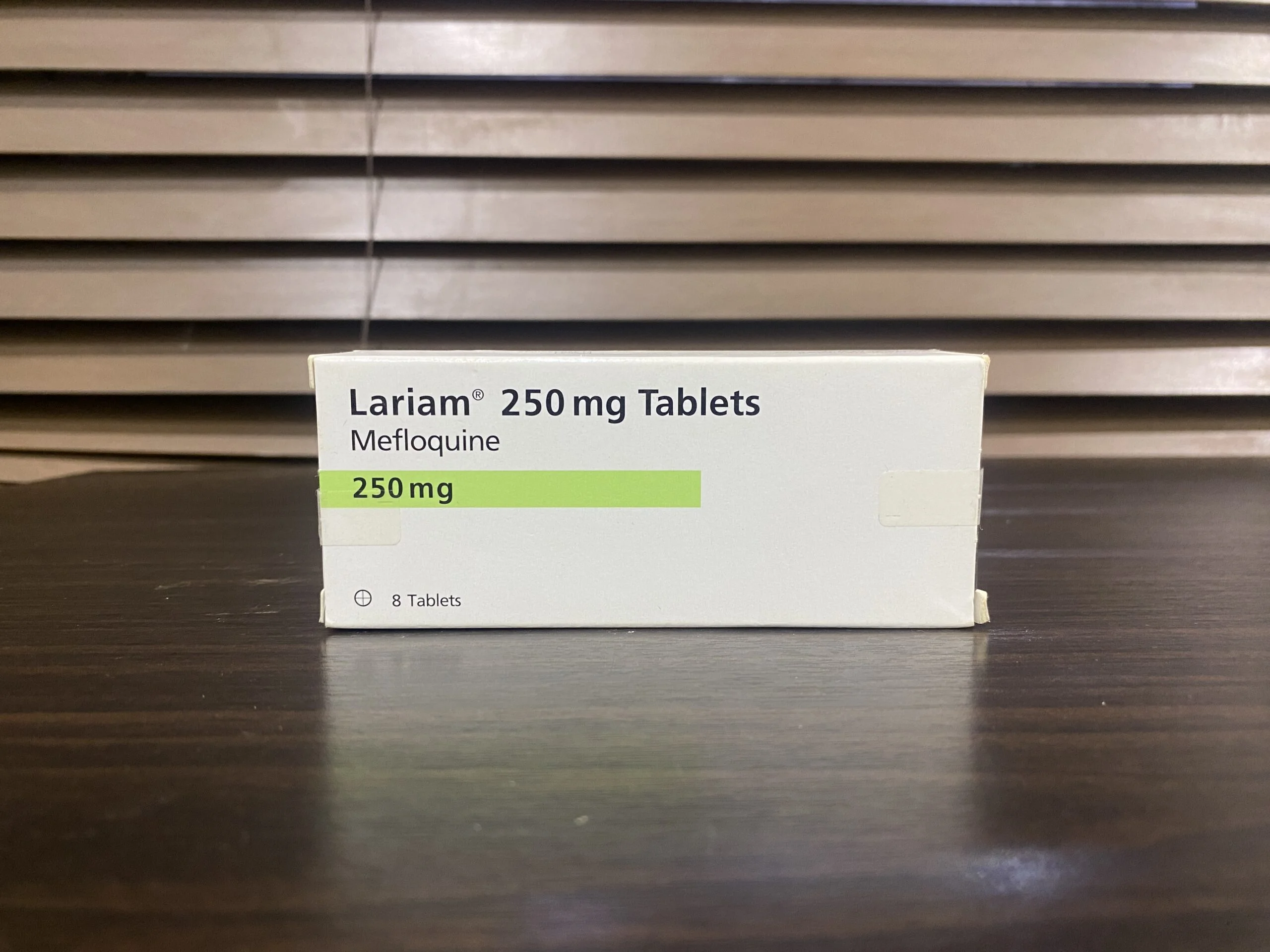
Taken once weekly, started 2 to 3 weeks before departure. The lead time allows protective levels to build and gives time to identify any neuropsychiatric side effects before travel. Contraindicated in epilepsy, any history of depression or anxiety disorder, active or past psychosis, schizophrenia, suicide attempts or self-endangering behaviour, and cardiac conduction abnormalities. If you have ever been diagnosed with depression or an anxiety disorder, even if treated and resolved. Tell our pharmacist before this option is considered. Not suitable for last-minute trips.
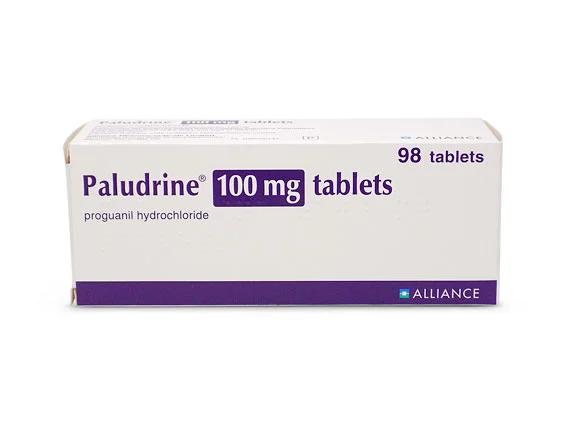
Standalone Avloclor (chloroquine) and Paludrine (proguanil) tablets have both been discontinued in the UK. The combined Paludrine/Avloclor travel pack is also discontinued. If you were previously advised to take either of these, speak to our pharmacist. An alternative regimen is now needed for your destination.
Malaria risk varies by country, region, altitude, season, and accommodation type. Sub-Saharan Africa accounts for most UK-imported cases. South Asia, South-East Asia, and Central America also carry risk in specific areas. Our pharmacist uses UKMEAG country-specific recommendations to assess risk for your exact itinerary, not just the destination country.
No antimalarial is 100% effective. Bite prevention is essential alongside tablets. Use 50% DEET on all exposed skin after sunscreen. If DEET is unsuitable, icaridin or oil of lemon eucalyptus are UKMEAG-supported alternatives. Sleep under a permethrin-treated insecticide net. Wear long sleeves and trousers after sunset, particularly in rural areas. The Anopheles mosquito bites primarily between dusk and dawn.
Taking antimalarial tablets before, during, and after travel to an endemic region is a core part of malaria prevention. The choice depends on your destination, local drug resistance patterns, and medical history. No antimalarial covers all species and strains, it works alongside bite prevention, not instead of it. Anti-malarial prophylaxis is a private service. It is not available on the NHS.
If you develop a fever, flu-like symptoms, or unexplained illness during travel or within 12 months of returning from a malaria-endemic area, seek urgent medical attention immediately. Tell the doctor where you have been. Attend A&E or call 999 if you feel seriously unwell. Falciparum malaria can be fatal if treatment is delayed. Do not wait.

Sub-Saharan Africa carries the highest malaria risk globally and accounts for the majority of UK imported cases. P. falciparum is the predominant species with widespread chloroquine resistance. Atovaquone/proguanil, doxycycline, or mefloquine are all appropriate options, choice depends on your itinerary, duration, and medical history.
Countries including Nigeria, Ghana, Kenya, Tanzania, Uganda, DRC, Mozambique, and Malawi all carry significant risk. South Africa’s main tourist areas including Cape Town carry minimal risk. Specific advice is provided at the consultation.
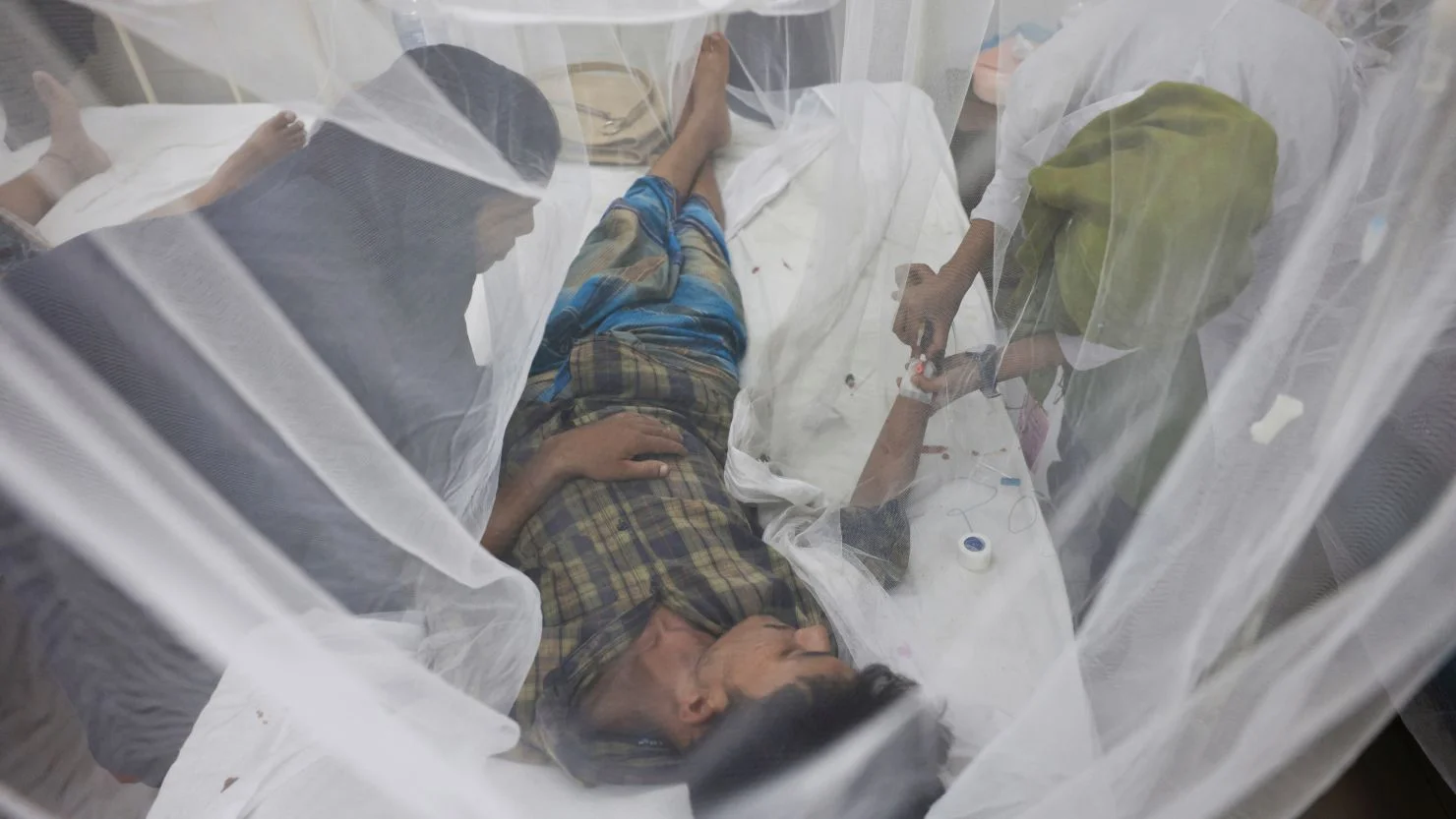
India, Pakistan, Bangladesh, and Sri Lanka carry malaria risk, but it is highly variable by region and season. Both P. falciparum and P. vivax occur. Major cities generally carry low risk. Rural areas and border regions carry higher risk. Many travellers to major tourist destinations or urban business centres do not require chemoprophylaxis, the consultation will confirm this for your specific itinerary.
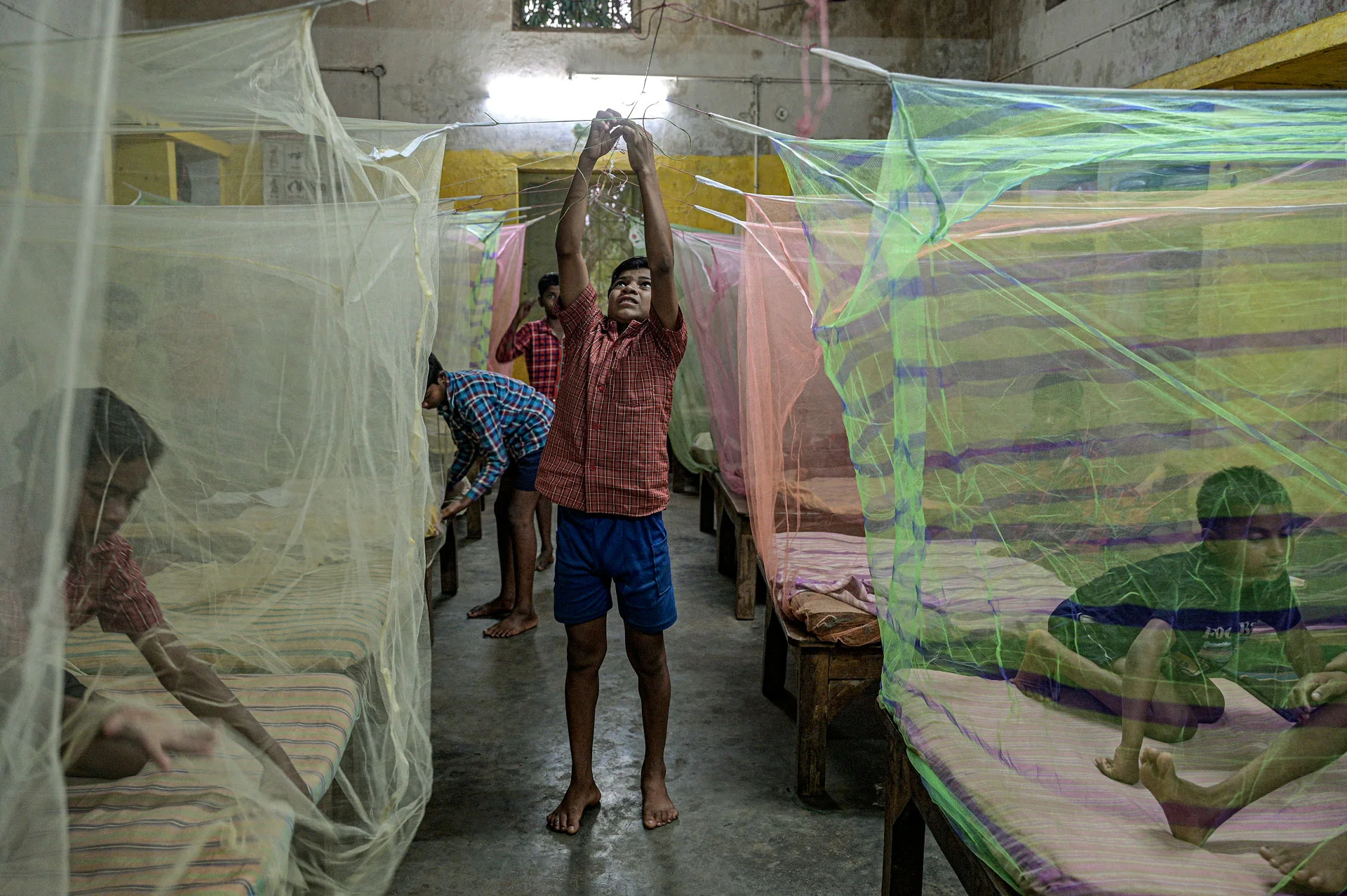
Thailand, Laos, Cambodia, Myanmar, Vietnam, Indonesia, and the Philippines carry malaria risk in specific areas. The Thai-Cambodia and Thai-Myanmar border regions are associated with multidrug-resistant P. falciparum. Doxycycline is preferred for these areas due to documented mefloquine resistance. Popular tourist destinations including Bangkok, Bali, and most Thai resort islands carry minimal or no malaria risk.
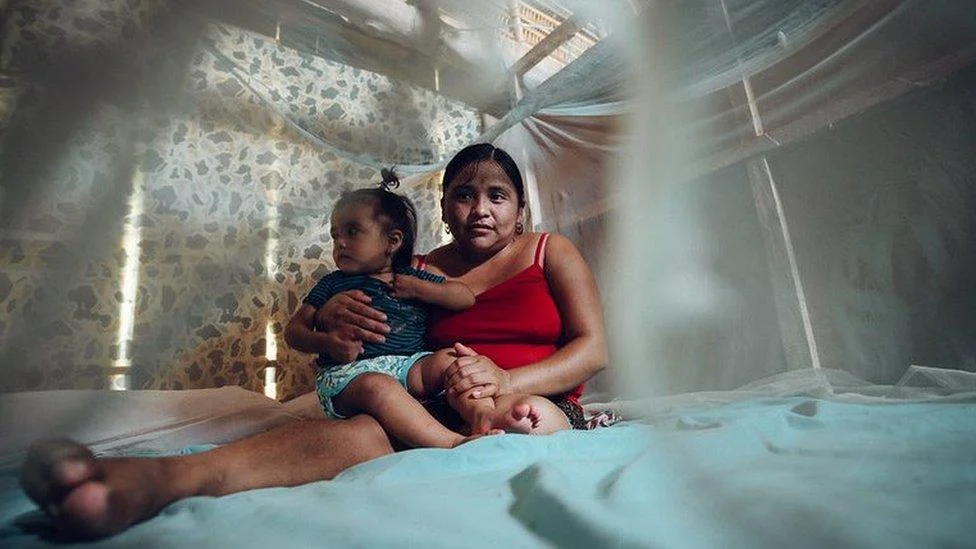
Guatemala, Honduras, Costa Rica, Panama, and parts of Mexico carry malaria risk in rural areas, primarily P. vivax. Most Caribbean islands have no malaria risk, with the exception of Haiti and parts of the Dominican Republic. With standalone chloroquine no longer available, atovaquone/proguanil is now the practical first-line option for travellers to chloroquine-sensitive areas.
No. Herbal supplements, homeopathic remedies, and dietary approaches to malaria prevention are not supported by clinical evidence. No plant-based protocol has been shown in controlled studies to prevent malaria.
Oil of lemon eucalyptus has evidence for bite avoidance and appears in UKMEAG guidance as a DEET alternative. That is bite prevention not chemoprophylaxis. For travellers to high-risk areas, bite avoidance alone without antimalarial tablets is not adequate protection.
Getting the right antimalarial is not guesswork. Our pharmacist uses current UKMEAG guidance to match the right tablet to your trip, your health, and your circumstances.
Key Features:

Real stories from real patients who trust Yatton Pharmacy & Ear Wax Removal Centre every day.
Great team 👍 I popped in there yesterday for anti histamine tablets and the team very helpful also had a flu jab injection on NHS and very professional medic called ” Femi” was extremely helpful and explained possible side effects of flu jab etc ..a brilliant team at brilliant pharmacy !

“Absolutely outstanding service at Yatton Pharmacy! From the moment I walked in, I was greeted with a warm and friendly atmosphere. The staff is incredibly knowledgeable, especially the pharmacists.”
“Both my mother, myself and my daughter recently relocated to Yatton, and my mother has quite complicated medical issues and medications, and my monthly prescription meds total 10 items.
The pharmacist, Hussein, has been an absolute star through these processes, and as our new nominated pharmacy, has smoothly set up both dosette boxes for my 88 year old diabetic mother, and delivery to her home weekly.!”
“Excellent pharmacy, always have my orders ready on time. Very helpful with minor health issues, so saves trying to see a GP.”
“Excellent pharmacist advice given! Really took the time to help me out and sort a plan of action! Big thanks”
The friendly faces behind Yatton Pharmacy & Ear Wax Removal Centre

Tariq Amin (GPhc: 2051889) serves as the Superintendent Pharmacist and Director/Pharmacist at Yatton Pharmacy. He is responsible for overseeing the safe and effective operation of the pharmacy, ensuring compliance with all regulatory and professional standards.
Hussain Jahangir is an experienced pharmacist who provides a full range of pharmacy services. He helps patients with prescriptions, medication advice, and health support, always focusing on clear and helpful care.
Monday to Friday: 09:00 – 18:00
Saturday: 09:00 – 17:30
Sunday: Closed
It depends on your destination, length of stay, and activities. Not every area carries the same risk. Our pharmacist will assess your itinerary against current UKMEAG recommendations and give you an honest answer on whether tablets are genuinely needed.
No. Malaria prevention tablets have never been part of the standard NHS prescription service. All antimalarials for prophylaxis are private, regardless of where you get them.
Children under 12 cannot take doxycycline. Atovaquone/proguanil paediatric tablets are available on prescription, dosed by weight. Maloff Protect is for adults only. Bring your child in for a consultation before assuming the same tablet as an adult is appropriate.
Doxycycline is not safe in pregnancy. Atovaquone/proguanil is generally avoided in the first trimester. The safest option is to defer travel to high-risk areas until after delivery. If travel is unavoidable, speak to our pharmacist and your GP or midwife straight away.
Not necessarily. Resistance patterns change and recommendations are destination-specific. Even if you are returning to the same country, a brief consultation is worthwhile to confirm current guidance and check your health history has not changed.
Seek urgent medical attention straight away. Go to A&E or call 999 if you feel seriously unwell. Tell the doctor where you travelled and when. This applies up to 12 months after returning.
We share health tips and travel advice. Stay informed about safety and managing medicine.
The wrong antimalarial can leave you unprotected. Come in and speak to our pharmacist before you travel. We will look at your destination, your health history, and make sure you leave with the right tablets for your trip.
